Introduction
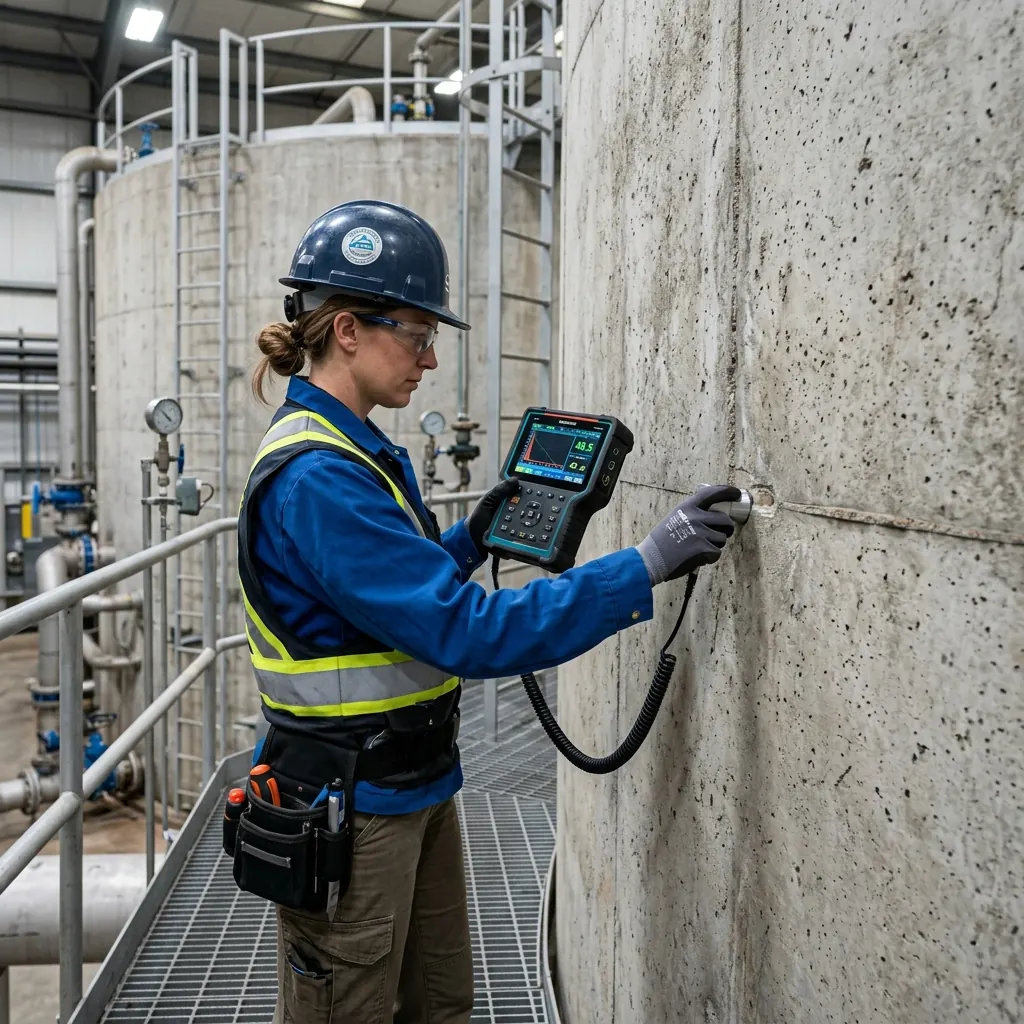
Signs of Failed Bathroom Waterproofing and Early Leak Detection is an important topic for any homeowner or property manager who wants to avoid hidden water damage after finishing the bathroom. Bathroom leaks often start behind tiles, around pipe penetrations, inside corners, or near floor drains. They may not appear immediately, but they can later damage ceilings, walls, paint, and concrete.
Good waterproofing is not only a coating. It is a complete process that includes inspection, surface preparation, detail treatment, material selection, flood testing, and clear handover. This educational guide explains what to check before hiring a contractor and how to recognize a reliable waterproofing system.
Why Bathrooms Need Specialized Waterproofing
Bathrooms are exposed to water, vapor, detergents, pipe penetrations, drains, tile joints, and frequent cleaning. A small gap around a pipe or an untreated corner can allow water to migrate into the slab or adjacent wall. Over time this may cause damp spots, odors, tile debonding, mold, or corrosion of reinforcement steel.
Specialized waterproofing protects the floor, lower wall areas, shower zones, bathtubs, sinks, and service penetrations. It also reduces the risk of breaking tiles later, which is usually much more expensive than doing the waterproofing correctly before tiling.
Inspection Before Waterproofing
Before application, plumbing work should be complete, pipes should be fixed, water pressure should be tested, and the floor slope should direct water toward the drain. The surface must be clean and free from dust, oil, weak cement, loose particles, and gypsum residue. Cracks or honeycombing should be repaired before waterproofing.
A good inspection focuses on floor-to-wall corners, drain openings, toilet bases, shower areas, and pipe penetrations. These details are the most common failure points when the work is rushed or when the wrong material is used.
Recommended Bathroom Waterproofing Materials
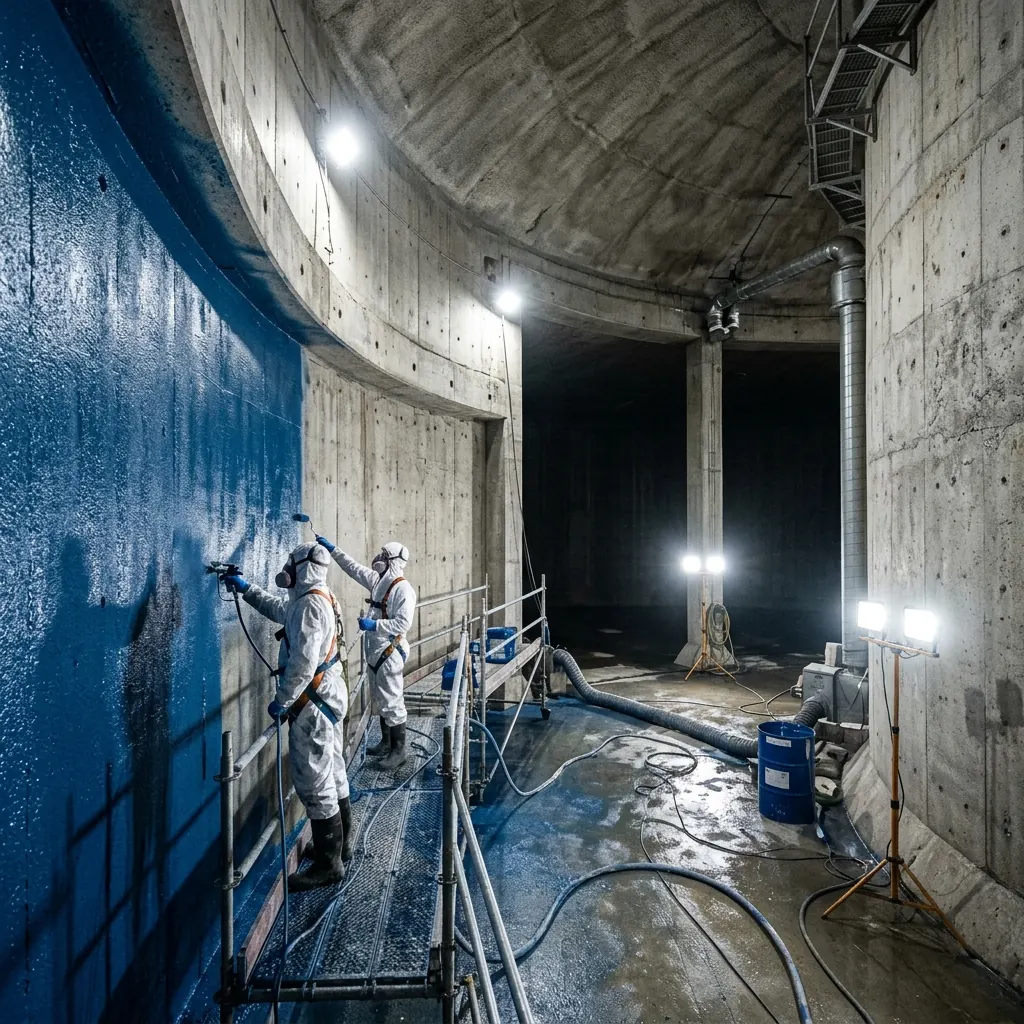
Several systems can be used, and the best choice depends on the bathroom condition. Flexible cementitious waterproofing is common before tiling because it bonds well to concrete and tolerates wet areas. Epoxy can be suitable in selected cases when the surface is strong, clean, and dry. Membranes may also be used depending on the floor design and finishing method.
- Flexible cementitious waterproofing is useful for floors, corners, and wet areas.
- Epoxy requires careful preparation and a dry, stable substrate.
- Sheet membranes need proper overlap, sealing, and edge treatment.
- Corner tapes and pipe collars are as important as the main waterproofing layer.
Correct Application Steps
- Clean the floor and lower wall areas thoroughly.
- Repair cracks, weak concrete, and gaps around drains and pipes.
- Reinforce corners with suitable tape or rounded mortar fillets when needed.
- Apply primer or surface wetting according to the product instructions.
- Apply two or more waterproofing coats in crossed directions.
- Extend waterproofing up the walls, especially inside the shower zone.
- Allow full curing before testing or installing tiles.
Flood Testing Before Tiling
Flood testing is essential. The drain is temporarily blocked, the bathroom floor is filled with water, and the level is monitored for a suitable period. The ceiling below and adjacent walls should also be inspected. If leakage appears, the defect must be repaired and the test repeated before tiling.
Skipping this step to save time can create a much bigger repair cost later. Finding leakage after tile installation usually means breaking tiles, removing adhesive, repairing the waterproofing, and reinstalling finishes.
Common Mistakes to Avoid
Common mistakes include tiling before the waterproofing cures, waterproofing the floor without lower wall returns, ignoring pipe penetrations, using a cheap product not designed for wet areas, or assuming tile grout is enough. Grout improves the finish and reduces water entry between joints, but it is not a replacement for waterproofing.
Useful Internal Links
Before estimating materials, use the Bathroom Tile Calculator to understand floor and wall areas, and the Waterproofing Materials Calculator for approximate coating quantities. If the problem appeared after occupancy, review leak detection articles to understand diagnosis before repair.
Official References and Technical Context
For general construction requirements, review the Saudi Building Code. For water-related guidance, the National Water Company can also be a useful official reference. These resources support good decisions, but an on-site inspection is still necessary.
Conclusion
Successful bathroom waterproofing depends on diagnosis, surface preparation, detail treatment, suitable material selection, and flood testing before handover. A reliable article should help you choose the right process, not only promote a product. When these steps are followed, the bathroom receives longer protection and the risk of repeated leaks is reduced.
Related Internal Guides
Read these related English guides before choosing a waterproofing system:
- Water Leak Detection and Waterproofing Guide in Riyadh #61
- Water Tank Waterproofing Guide in Riyadh #36
- Water Tank Waterproofing Guide in Riyadh #41
- Water Leak Detection and Waterproofing Guide in Riyadh #95
- Water Leak Detection and Waterproofing Guide in Riyadh #97
- Water Tank Waterproofing Guide in Riyadh #68
- Water Tank Waterproofing Guide in Riyadh #140
- Water Leak Detection and Waterproofing Guide in Riyadh #69
- Water Leak Detection in Riyadh
- Leak Detection Articles
Official References
For better technical reliability, waterproofing work should align with relevant official guidance and requirements.
Frequently Asked Questions
Can a tiled roof be waterproofed?
Yes, in some cases after checking tile adhesion, joints, slopes, and drainage points.
How long does roof waterproofing last?
Service life depends on material selection, surface preparation, protection layers, and maintenance.