What is epoxy waterproofing?
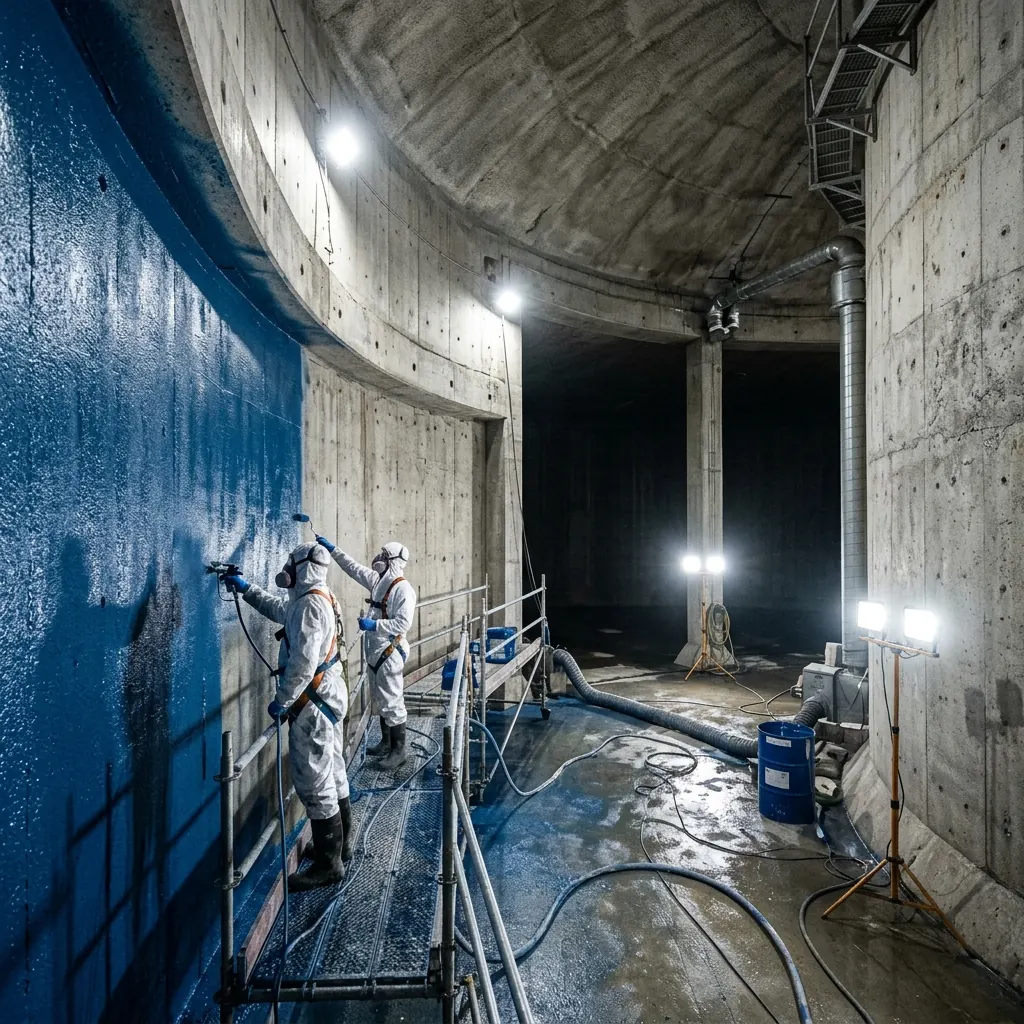
Epoxy waterproofing is a protection system based on epoxy resins that cure into a strong, low-porosity, water-resistant surface. It is used in water tanks, industrial floors, pump rooms, and areas that require durability and easy cleaning.
Why is epoxy used in tanks?
When the correct product is selected and fully cured, epoxy can reduce concrete water absorption, provide a smooth surface, and make cleaning easier. Success depends on surface preparation and moisture control before application.
Key benefits
- Smooth, low-porosity surface.
- Good resistance to water and selected chemicals depending on the product.
- Easy inspection and cleaning after application.
- Suitable for durable and seamless protective layers.
When is epoxy not ideal?
Epoxy should not be applied over very wet surfaces, weak concrete, or moving cracks without proper treatment. For drinking water tanks, the product must be suitable for that use because not all epoxy materials are designed for potable water contact.
Application steps
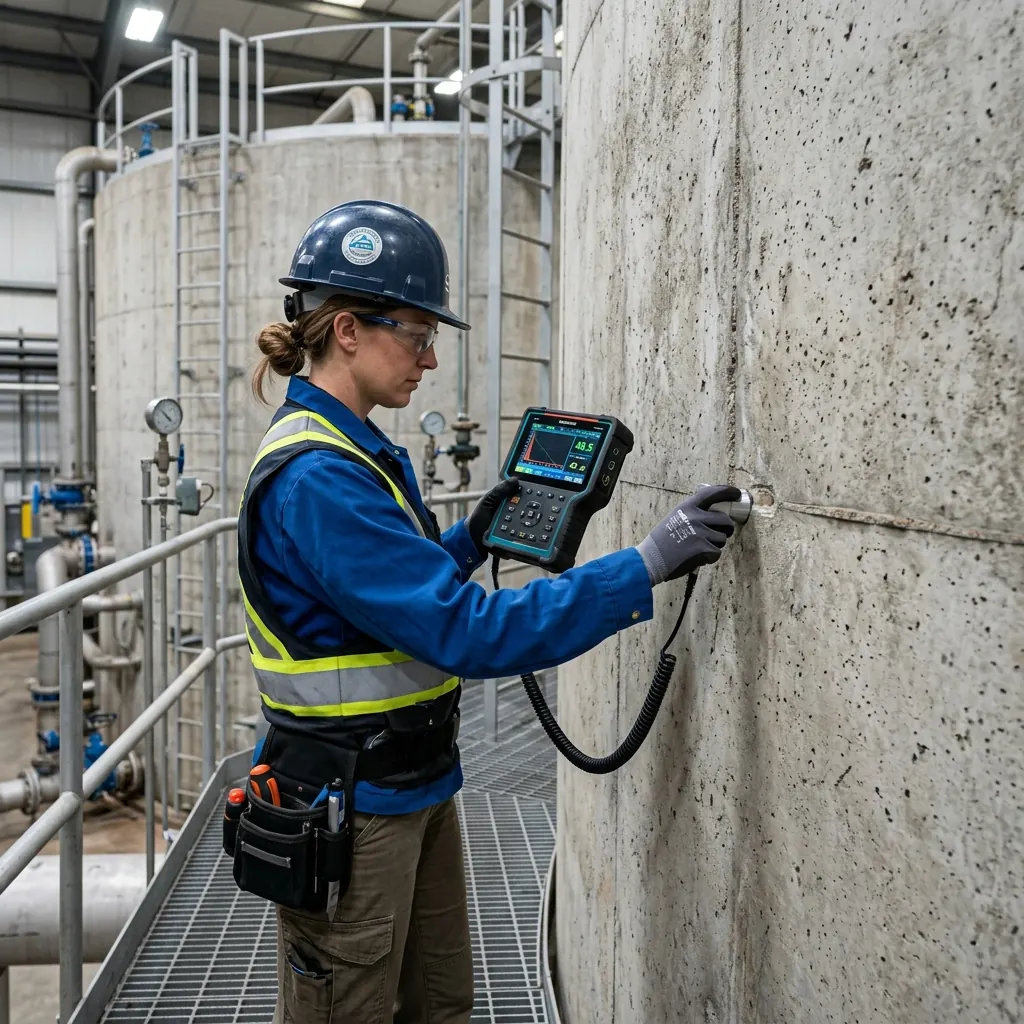
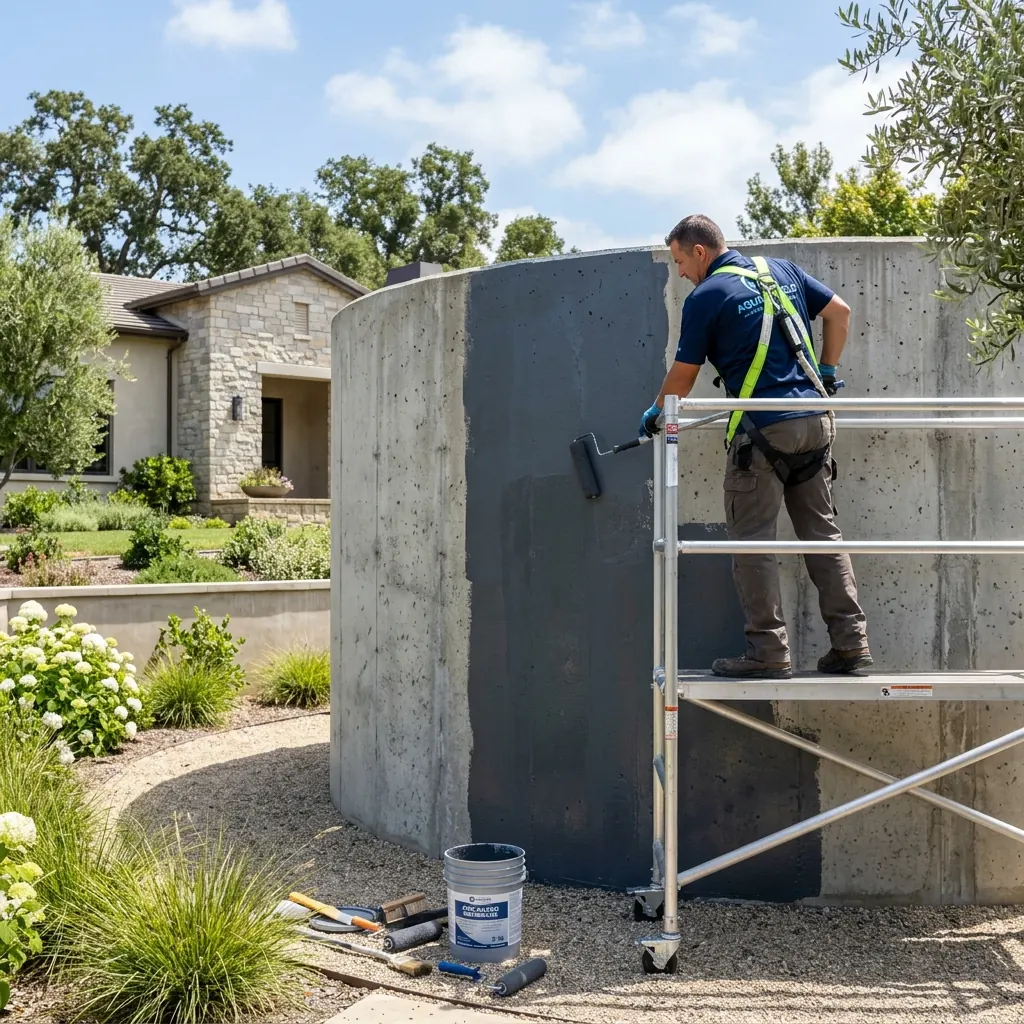
The surface is mechanically prepared, dust is removed, cracks are repaired, moisture is checked, and primer plus finish coats are applied to the required thickness. A water test is recommended for tanks after curing.
Trusted links
For comparison, see tank waterproofing in Riyadh and roof waterproofing. For water-related requirements, refer to the National Water Company and the Saudi Building Code.
Related Internal Guides
Read these related English guides before choosing a waterproofing system:
- Water Tank Waterproofing Guide in Riyadh #1
- Water Leak Detection and Waterproofing Guide in Riyadh #61
- Water Tank Waterproofing Guide in Riyadh #10
- Water Tank Waterproofing Guide in Riyadh #36
- Water Tank Waterproofing Guide in Riyadh #41
- Epoxy Waterproofing Guide for Tanks and Floors in Riyadh #77
- Water Tank Waterproofing Guide in Riyadh #76
- Water Tank Waterproofing Guide in Riyadh #5
- Tank Waterproofing in Riyadh
- Tank Waterproofing Articles
Official References
For better technical reliability, waterproofing work should align with relevant official guidance and requirements.
Frequently Asked Questions
Does tank waterproofing help protect water quality?
Yes. Proper waterproofing reduces cracks and seepage risk, but it should be combined with regular cleaning and a sealed cover.
Is epoxy suitable for every water tank?
Not always. Epoxy requires a dry, well-prepared surface and a product suitable for the intended water use.