What does bathroom waterproofing cost in Riyadh?
There is no fixed price for waterproofing a bathroom, and any figure quoted before someone has seen the room is a guess. The reason is simple: the bill is not calculated per bathroom. It is calculated on the area that gets waterproofed, the material used, and the condition of what is already there — which may or may not need breaking out. Two bathrooms in the same house can differ by a factor of two.
You do not have to wait for a quote to know whether it is reasonable. This page gives you three things: what actually builds the number, how to judge any quote you receive, and how to work out your own area before you compare.
What raises your bill
- A new bathroom or an existing one. This is the largest single factor. A new bathroom is waterproofed right before tiling. An existing one needs the tiles broken out, the debris removed and the whole finish rebuilt afterwards — and those items cost more than the waterproofing itself.
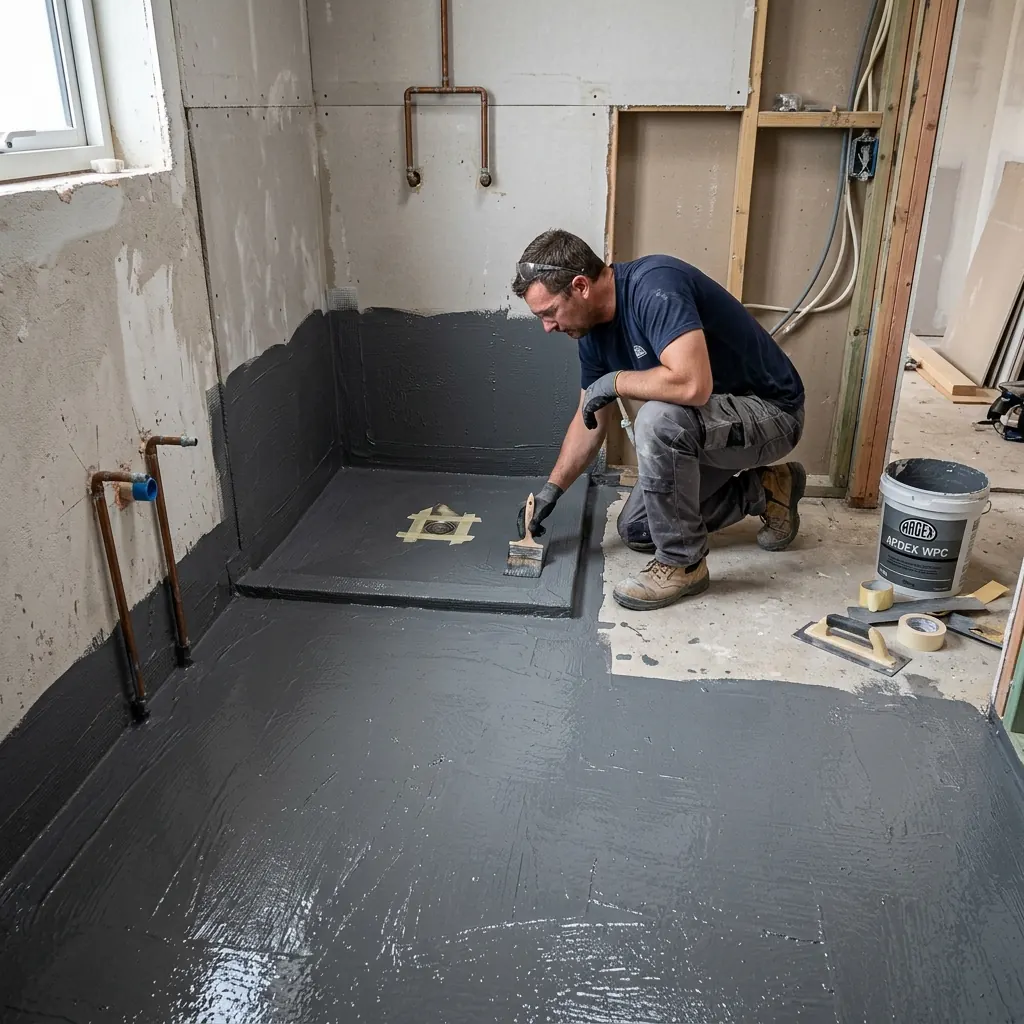
- The area that gets waterproofed, not the floor area. The membrane turns up the walls, highest inside the shower. The shower wall alone can add more square metres than the entire floor.
- The condition of the surface. Cracks, voids in the concrete or weak plaster are repaired first, and that repair is costed separately from the waterproofing.
- The fall towards the drain. If the slope is wrong, correcting it is its own item — and leaving it means standing water sitting on top of your waterproofing.
- Material and number of coats. Two crossed coats are not one coat, neither in price nor in service life.
- How many bathrooms at once. Three bathrooms in one visit cost less per square metre than one, because set-up and transport are shared.
- The state of the plumbing. If a pipe turns out to be leaking during the work, repairing it is a separate item — and nobody should waterproof over a leaking pipe.
Six things every quote must state
A quote that says "bathroom waterproofing — one price" cannot be compared with another, and cannot be enforced if something goes wrong. Ask for these in writing:
- The area in square metres — floor and walls, listed separately.
- The material by name and grade, not "premium material".
- The number of coats and the direction of each.
- The height the membrane turns up the wall in centimetres, and its height inside the shower.
- The flood test before tiling, how long it runs, and who witnesses it.
- The warranty period and exactly what it covers.
These six are your measuring stick. Two quotes at different prices become comparable once you know what is inside each, and many "cheaper" quotes are cheaper because a coat or the test has been left out.
Work out your own area
Once you know your area, any per-square-metre price becomes a number you can simply multiply. Use the bathroom tile calculator to get your floor and wall areas from the room's dimensions, then the materials calculator to estimate the quantity for that area. With those two numbers you enter any pricing conversation knowing what you are buying.
When to waterproof, and the price difference
The right moment is after the plumbing and plaster are finished and before the tiles go down. At that point waterproofing is both cheapest and best, because the surface is open and nothing has to be broken.
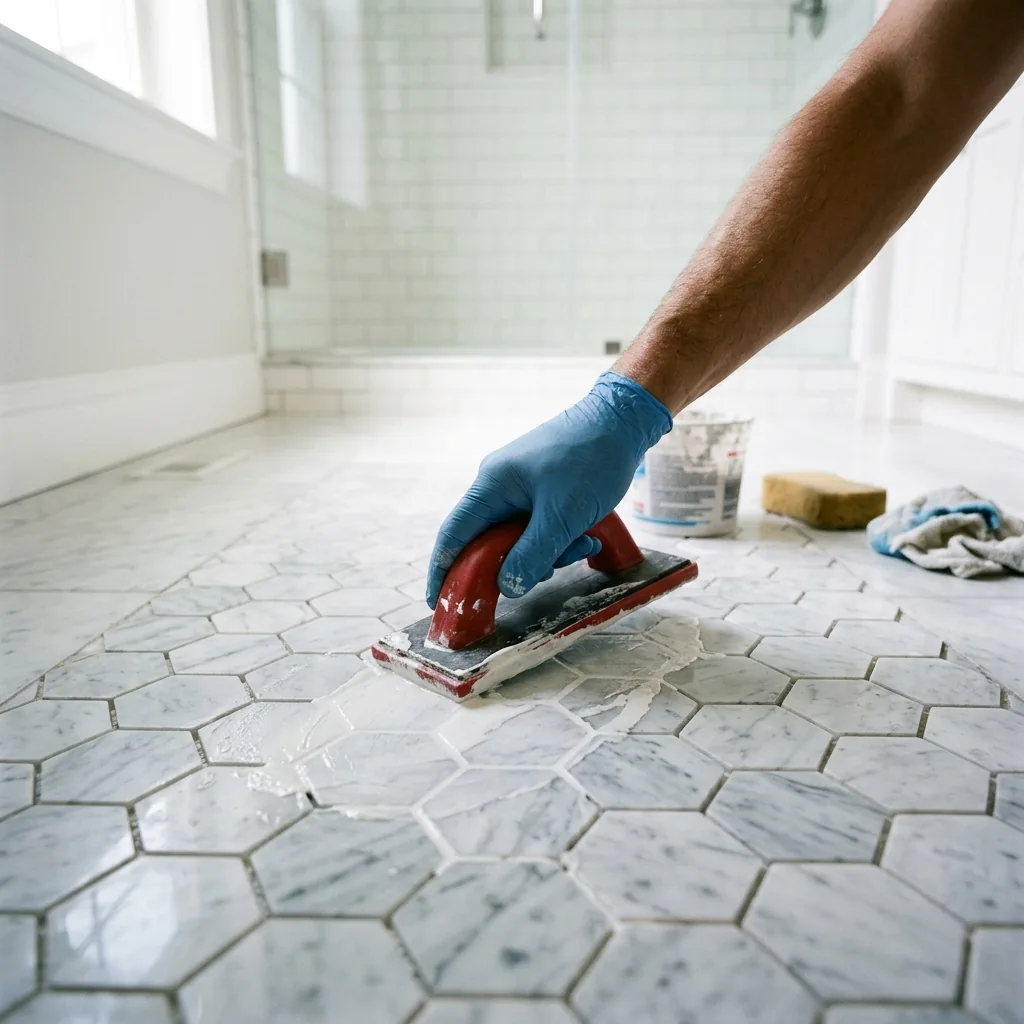
After tiling you have two options: break out partly or fully, waterproof, and refinish; or apply a surface treatment over the tiles that does not reach what is underneath. The first costs more today and less over time; the second postpones the problem rather than ending it. Both cases are covered on the bathroom waterproofing page.
The flood test: the item that protects what you paid for
Once the membrane has cured and before any tile is laid, the drain is plugged, the floor is filled with water, and the ceiling below and the adjacent walls are inspected. A few hours of waiting here exposes a fault that costs nothing to fix today; finding the same fault a year later means breaking tiles and sanitary ware.
Ask for a photograph of the flooded floor and one of the ceiling below after the test. That is the only proof you keep once the waterproofing disappears under the tiles.
Why the cheap quote ends up dearer
- One coat instead of two — saves money today, cracks as the building moves.
- The floor only, with the walls left bare — shower water runs down the wall, not the floor.
- Pipe penetrations and the drain surround ignored — the exact place most leaks begin.
- Tiles laid before the membrane has cured, trapping moisture underneath.
- The flood test dropped to save a day.
Each of these lowers the price today, and the real cost is demolition a year or two later.
Questions to ask before you sign
- How many square metres will you waterproof, and how high up the wall?
- Which material, how many coats, and how long between them?
- Will there be a flood test before tiling, and when can I see it?
- What does the warranty cover, and what voids it?
- If cracks or a wrong fall appear after cleaning, how are those priced?
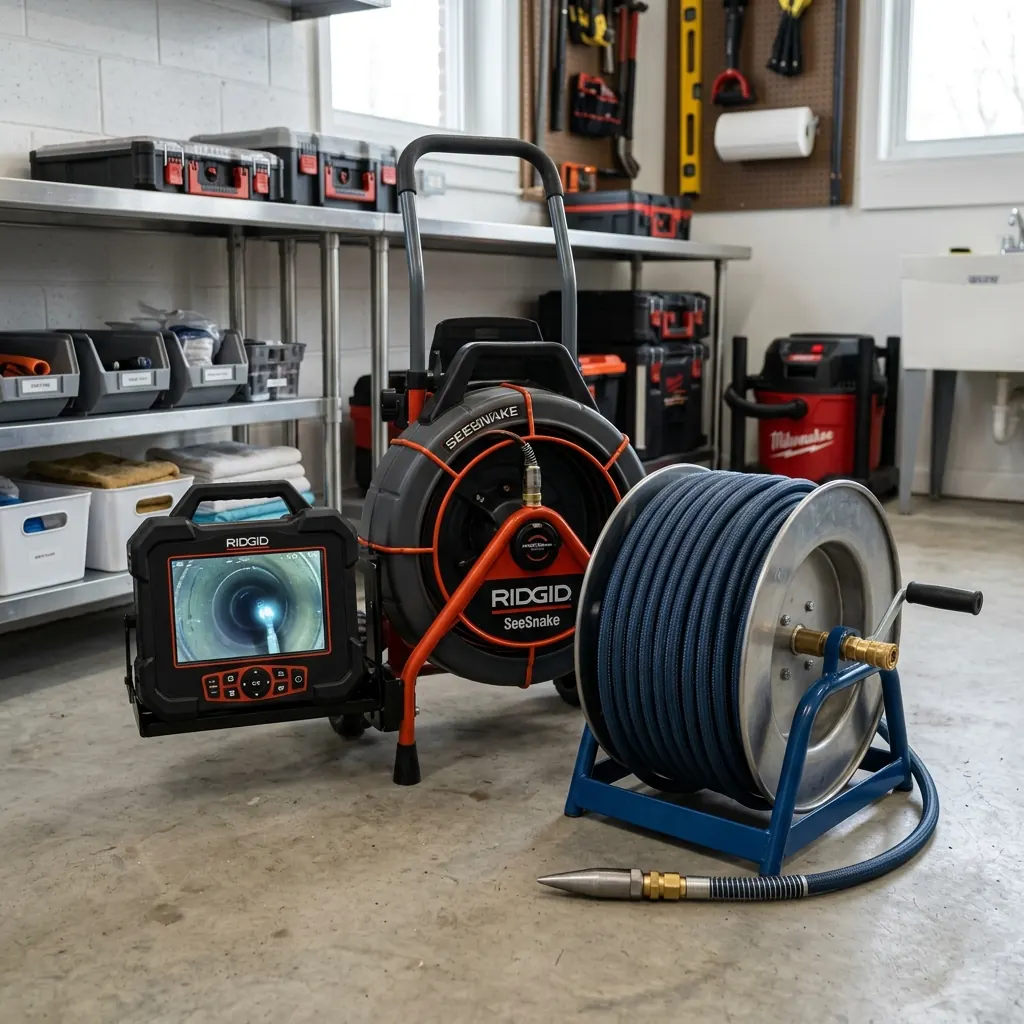
If your bathroom is already finished and damp has appeared in the ceiling below, start with leak detection before any waterproofing quote: knowing where the water comes from may save you from breaking out the whole bathroom.
Related Internal Guides
Read these related English guides before choosing a waterproofing system:
- Water Tank Waterproofing Guide in Riyadh #1
- Crack Repair and Waterproofing Guide for Roofs and Walls #149
- Roof Waterproofing Guide in Riyadh #3
- Foam Insulation Guide for Roofs and Metal Surfaces in Riyadh #2
- Roof Waterproofing Guide in Riyadh #147
- Epoxy Waterproofing Guide for Tanks and Floors in Riyadh #77
- Water Tank Waterproofing Guide in Riyadh #10
- Water Tank Waterproofing Guide in Riyadh #41
- Roof Waterproofing in Riyadh
- Roof Waterproofing Articles
Official References
For better technical reliability, waterproofing work should align with relevant official guidance and requirements.
- Saudi Building Code
- Saudi Electricity Company
- Saudi Energy Efficiency Center
- Ministry of Municipalities and Housing
Frequently Asked Questions
Can a tiled roof be waterproofed?
Yes, in some cases after checking tile adhesion, joints, slopes, and drainage points.
How long does roof waterproofing last?
Service life depends on material selection, surface preparation, protection layers, and maintenance.